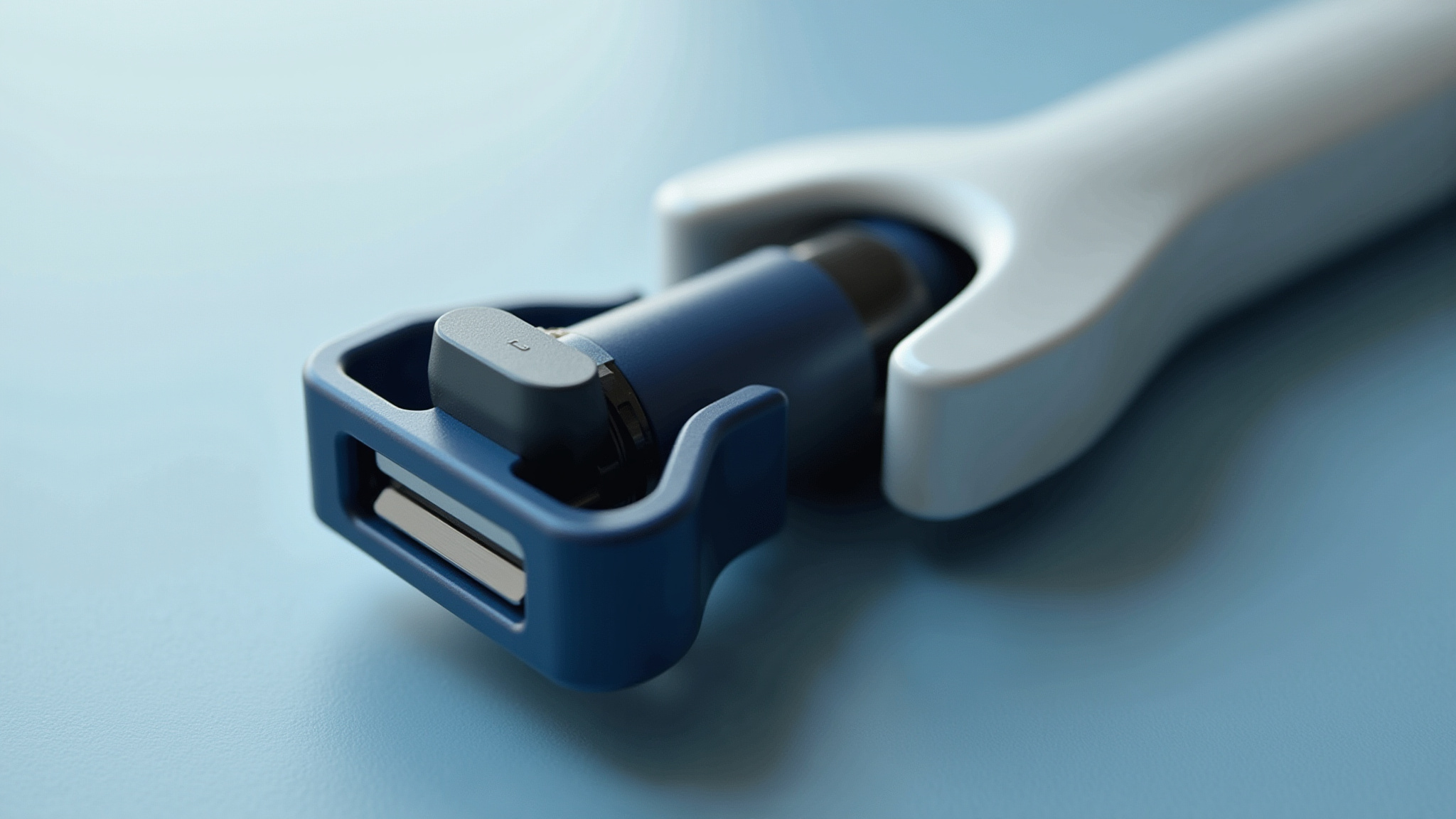
MASI
Mechanical Assisted Suturing Instrument
MASI aims to improve wound closure for Cesarean sections through a novel, purely mechanical design. Our mission is to automate and standardize suturing, ensuring precise and efficient procedures to improve patient outcomes.

What is MASI?
MASI is a mechanical suturing tool that can be used with any suture type and any needle available, aiming to standardize the level or care for patients and improve suturing time for the surgeon.
The Problem
Each year, approximately a third of babies in the United States are born through Caesarean section. This can be a dangerous, time-intensive procedure. At the end of the surgery, the surgeon must suture the wound. Aside from the added time that suturing takes, uneven suturing leads to poor aesthetic results and surgical complications.
The Constraints
Using industry standards ISO10993 (regarding biocompatibility), we made sure to use stainless steel and Krytox medical grade lubricant in our design. Following ISO17665 (regarding sterilization), we made our device purely mechanical so the device can be autoclaved and reused. Finally, we took a look at the best practices for hand-held tools to make this device easy to use and comfortable, and require low grip-strength at the end of a long surgery.
The Solution
MASI streamlines the suturing process, saving valuable time during surgeries. By automating wound closure, our device enhances surgical efficiency and allows healthcare providers to focus on other critical aspects of the operation, while ensuring that every patient receives the same level of care.
How MASI Works
Easy Suturing for Any Wound Type
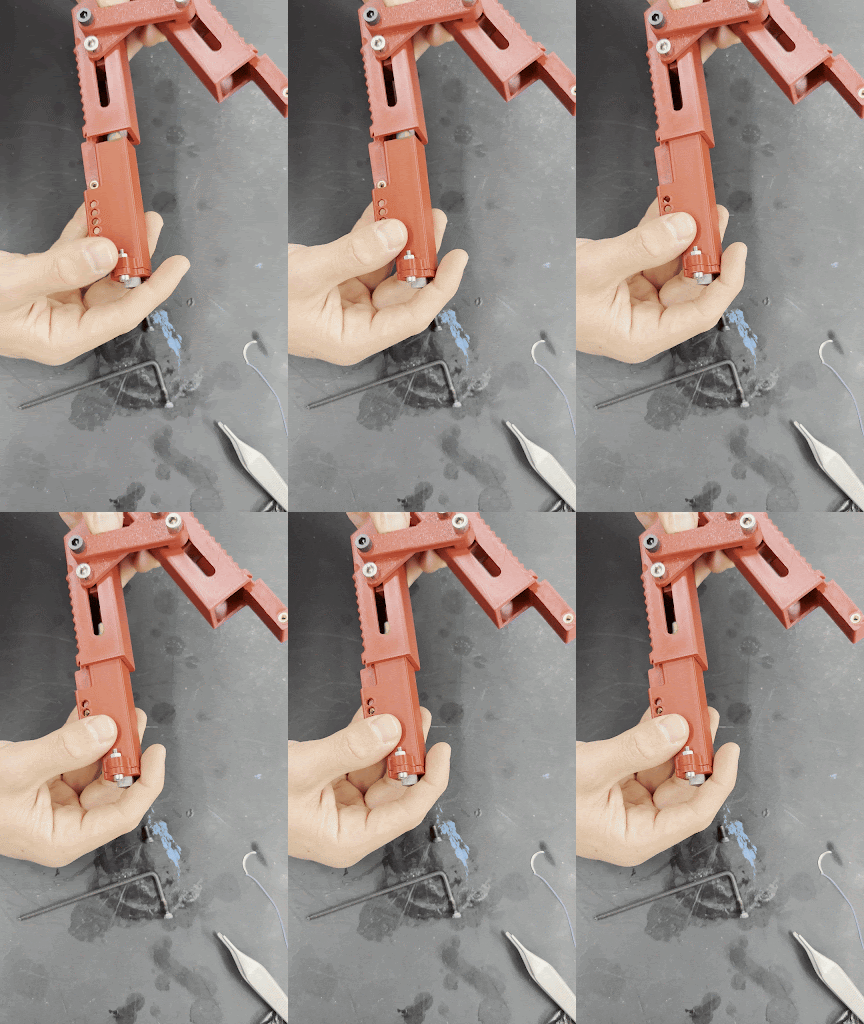
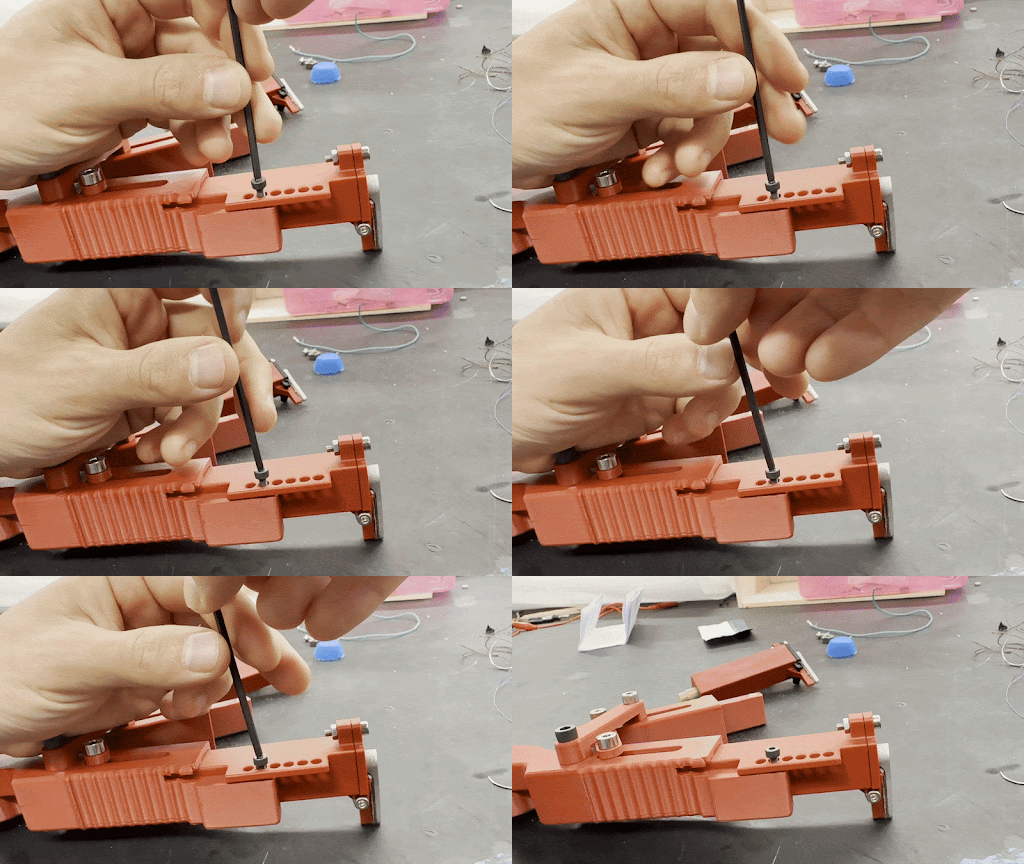
1. Set the bite size
Adjust the bite size mechanism to your patient needs and the needle size.

2. Tie the initial knot
Tie the suturing knot as you would for a normal suture.

3. Insert Needle
Insert the needle in one arm of the suturing device.
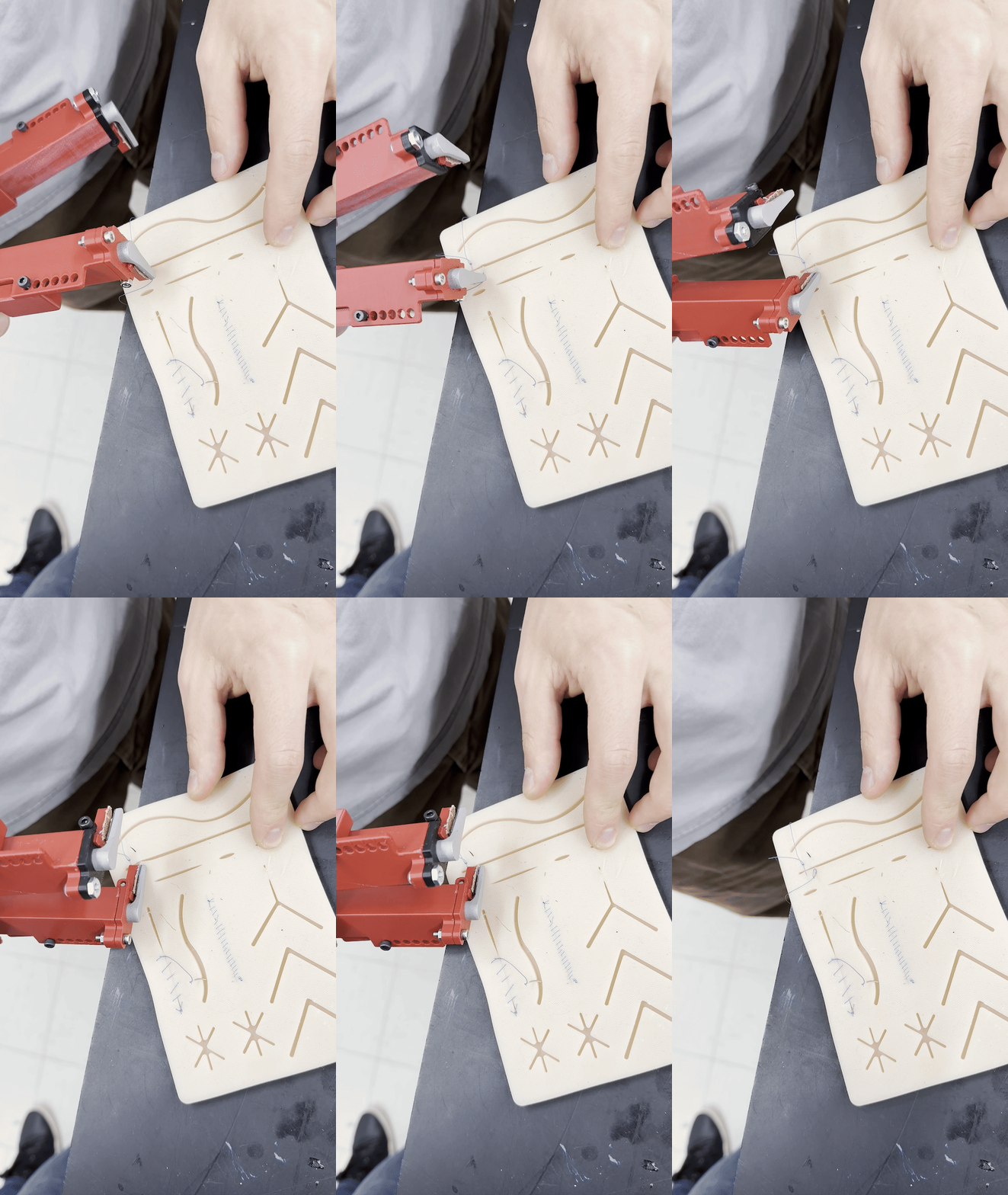
4. Drive the needle
Drive the needle through the wound, closing the device arms.
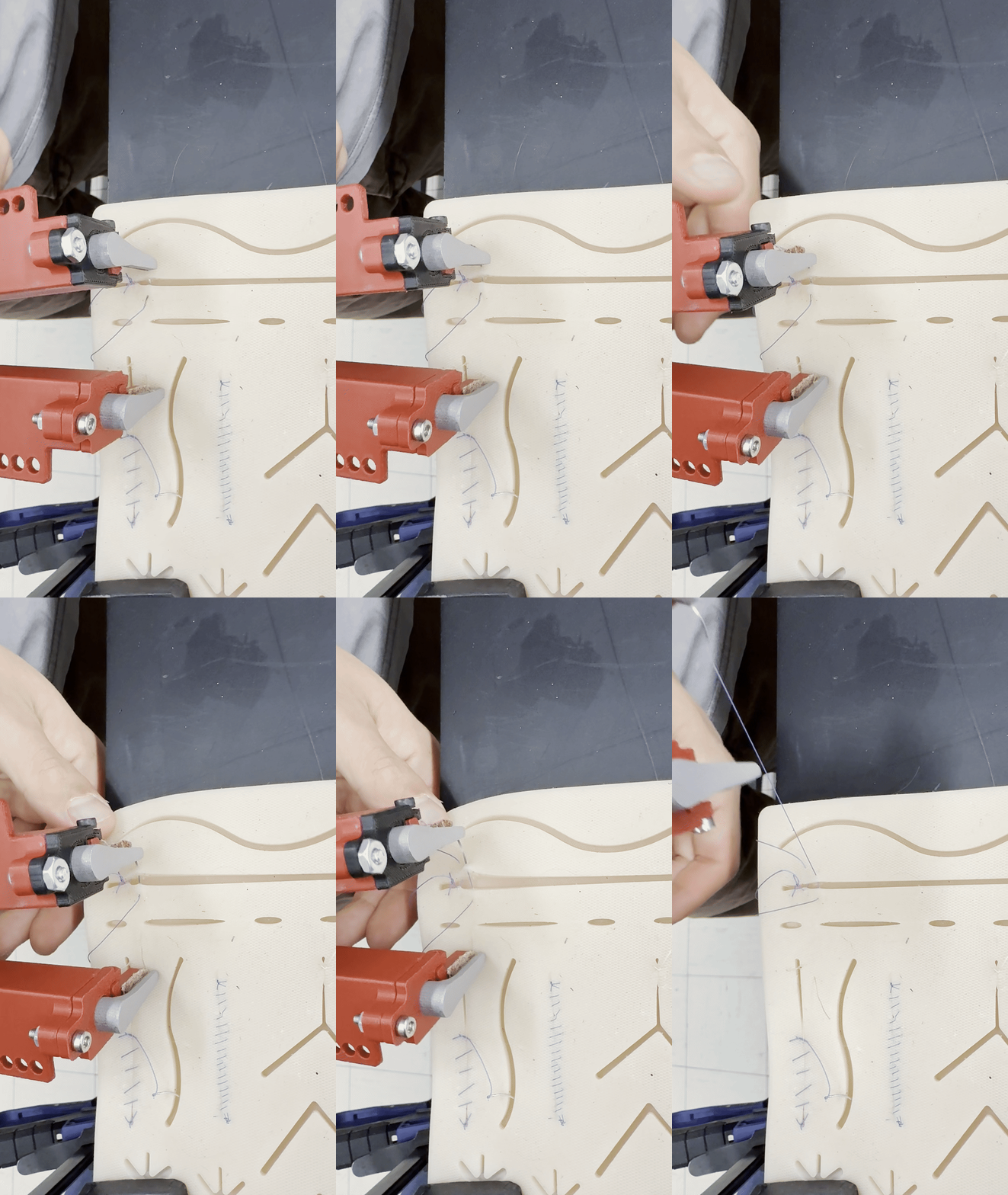
5. Pull the needle
Pull the needle through the wound, releasing the device arms.
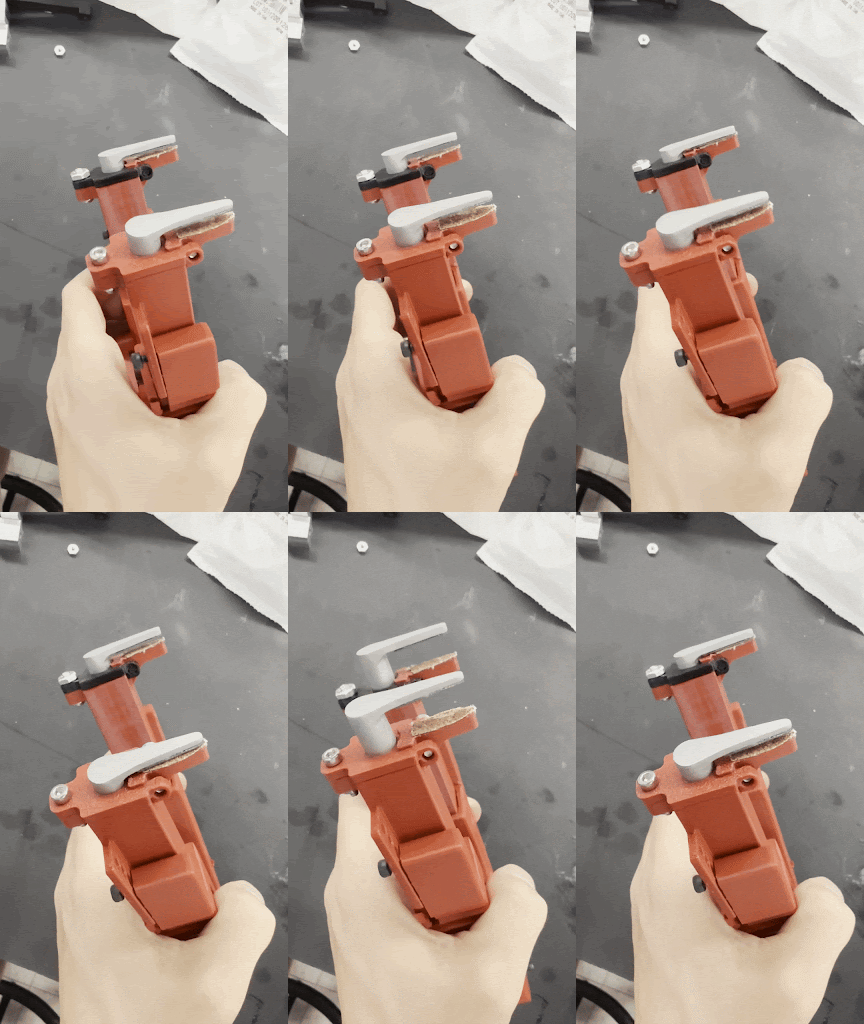
6. Reposition the needle
Reset the needle in the driving arm by closing the two arms together.
Repeat Steps 3-6 until the end of the wound

7. Tie the final knot
Tie the final knot at the end of the wound, as you would for a normal suture. Then, cut the thread.

8. Disassemble
Disassemble the device and autoclave it for reuse.
Full MASI Prototype

Prototype Components
Our design makes use of four subcomponents crucial to the functionality of the device.

Needle Forceps
The needle forceps guarantee that the needle remains gripped in the device without the user needing to hold it in place.

Bite Size Adjustment
The bite size adjustment mechanism lets the user change the size of the device depending on the needle sizes available to them.


2 state Mechanism
The two-state mechanism, inspired by a clicking pen, allows the device to quickly grasp and release the needle when the user squeezes the device together.


Compliance Mechanism
The compliance mechanism holds the needle in place while it is transferred from one arm to the other.
Literature Review
Closest Prior Art

1. Needle Driver
The needle driver is the current standard for manual suturing. This is time-intensive, requires training and expertise to use, and does not automate the suturing process.

2. Double-ended Needle Driver
The double-ended needle driver is an attempt to automate the suturing process. However, it uses specialized expensive double-ended needles and is only used for wounds inside the skin.

3. Laparoscopic Suture Device
This device is used to help surgeons suture inside the abdominal cavity. This also makes use of specialized double-ended needles.
CAD Layout


Experimentation
Finite Element Analysis of CAM
We analyzed forces on the two state mechanism cam to estimate the number of loading cycles it would resist. We used the force necessary to press the button of our pen mechanism and confirmed the device would last over 100 times the regular lifespan.


Finite Element Analysis of Links
We analyzed forces on the two links between each arm to assess the risk of buckling. We used the average grip strength of an adult male to begin our analysis, and found once again that failure fatigue would be the cause of yield, after over 100 times the regular lifespan.


Spring Length Test Setup and Results
We experimented with different spring lengths, finding the average highest force point before suture failure for each spring. We found that under the spring lengths used, MASI is able to grasp a suturing needle with a force meeting the necessary standards.


Pitch Video
Analysis Report
Application is no longer available.
Meet the Team!
Our Senior Design team consists of 5 Mechanical Engineering students.

LinkedIn: https://www.linkedin.com/in/michael-amato-montanaro-32935a22a/
Michael is involved in research at Professor Mary Boyce's lab at Columbia. He is also on the Columbia Club Hockey team!


Quentin Baumann
LinkedIn: https://www.linkedin.com/in/quentin-baumann/
Quentin is a marathoner and an avid fan of 3D printing, pursuing a Masters in Mechanical Engineering.
Leïla Herman
LinkedIn: https://www.linkedin.com/in/leila-herman/
Leïla is also involved in research at Professor Mary Boyce's lab and has a minor in Computer Science.

Bernard Liebeskind
LinkedIn: https://www.linkedin.com/in/bernard-liebeskind/
Bernard is a part of the Vukelic Research Group in the field of permanent vision correction at Columbia and enjoys surfing when he can.

Peter Llaurado
LinkedIn: https://www.linkedin.com/in/peter-llaurado/
Peter is also a part of the Vukelic Research Group at Columbia and a practice player on the Columbia Women's Basketball team.